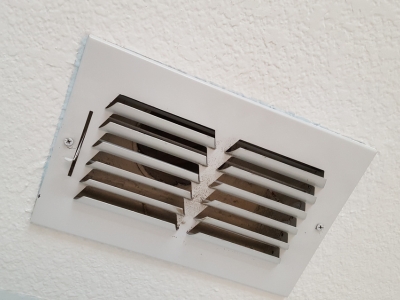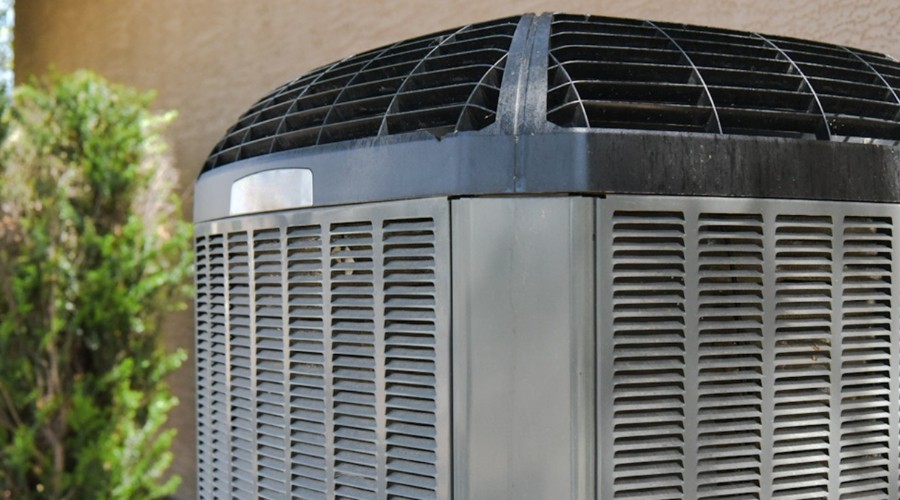
Spring AC Tune-Ups for Worry-Free Cooling

The Importance of AC Maintenance and When It’s Needed

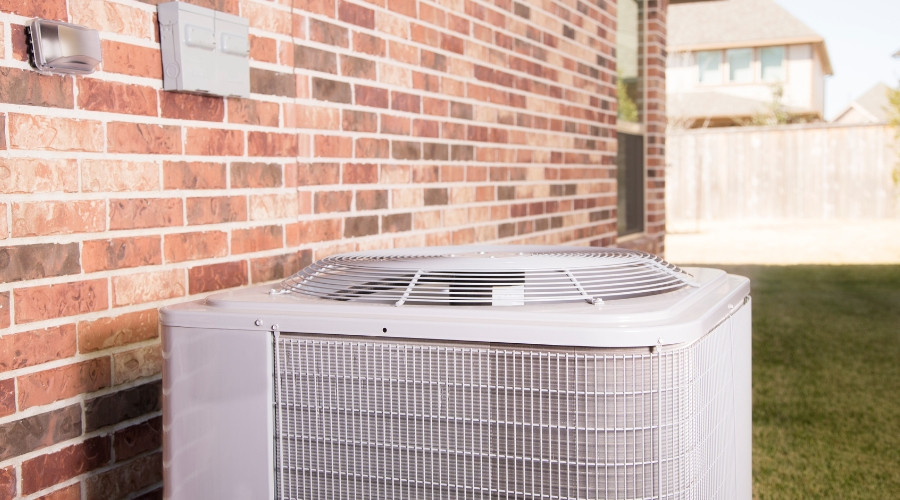
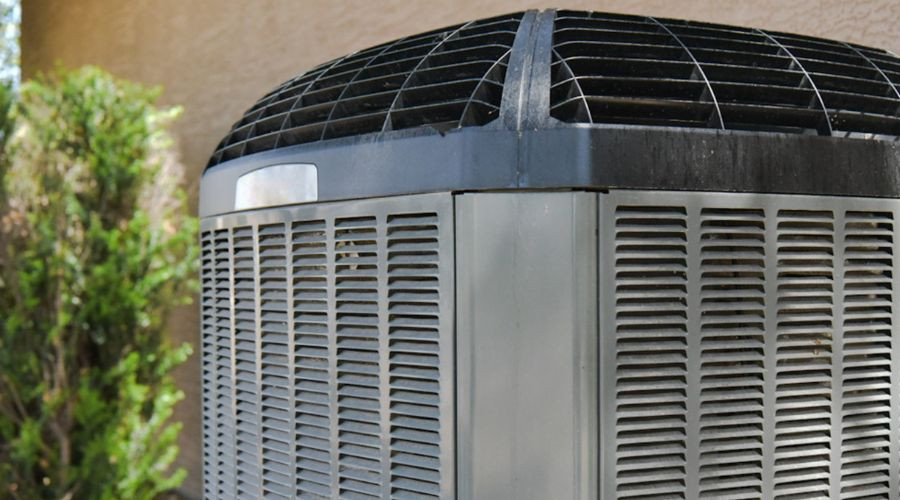
After a cool season of light use, an air conditioner may seem fine on the surface, but hidden dust, loose parts, and minor refrigerant issues can build up over time. Scheduling air conditioning maintenance in spring gives technicians time to inspect, clean, and adjust equipment before humid Florida weather arrives. Regular air conditioner maintenance supports efficient performance, fewer mid-summer breakdowns, and longer system life. This article explains the main advantages of AC maintenance, outlines what professionals check during a visit, and describes how often both tune-ups and filter changes should be completed to reduce the need for emergency AC repair or early AC replacement.

Benefits of Air Conditioner Maintenance

save money Annual AC maintenance offers several practical benefits for households. A well-maintained unit usually runs with better energy efficiency, which can help keep cooling costs under control. Clean coils and correct refrigerant levels allow the system to move heat more effectively, so it does not have to run as long to reach the thermostat setting. Regular attention also lowers the likelihood of sudden air conditioning repair needs, since worn parts are more likely to be spotted and replaced early. Over time, this preventive approach can extend equipment life and delay the expense of air conditioner replacement or full air conditioning replacement. Many systems that receive consistent care experience fewer hot spots, quieter operation, and more stable indoor temperatures during long stretches of summer heat.

What Does AC Maintenance Entail?

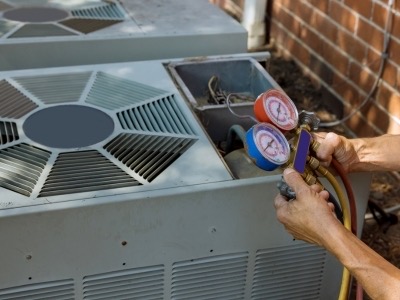
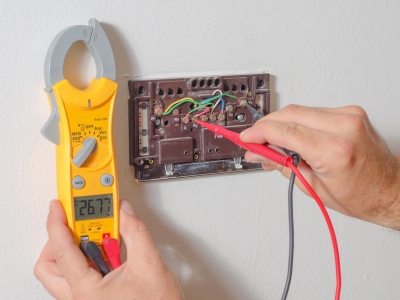
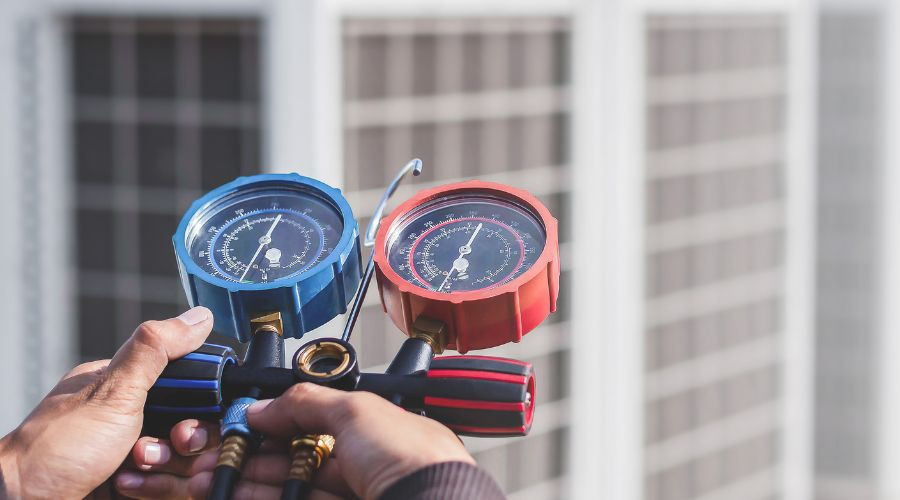
hvac During a professional air conditioning maintenance visit, a technician completes a detailed inspection and cleaning. Evaporator and condenser coils are checked and cleaned to remove dust and debris that interfere with heat transfer. Electrical connections are inspected for wear or looseness and tightened as needed to prevent arcing and premature component failure. The thermostat is tested to confirm accurate readings and proper system cycling, and the refrigerant level is measured to ensure it matches manufacturer guidelines. The technician also verifies that the condensate drain is clear to avoid water damage and checks safety controls for correct operation. By examining all of these areas during air conditioner maintenance, small issues can be corrected before they grow into larger air conditioner repair problems that might interrupt comfort in the middle of a heat wave.

How Often Is Maintenance Needed?

Most central systems benefit from professional AC maintenance at least once per year, ideally in spring before temperatures rise. Spring appointments are often easier to schedule than peak summer visits and allow time to complete any recommended AC repair before demand increases. Between tune-ups, homeowners play an important role by handling regular air filter replacement. A clogged filter restricts airflow, forcing the system to work harder and potentially shortening its lifespan. In many homes, filters need replacement every one to three months, depending on filter type, indoor air quality concerns, and how often the system runs. Consistent filter changes support efficiency, help prevent unnecessary strain that can lead to air conditioning repair, and may postpone the need for AC replacement or major air conditioning replacement projects.

About Mid Florida A/C

In business since 1980, Mid Florida A/C is the preferred heating and air conditioning contractor for DeBary and the surrounding areas, offering a wide range of personalized solutions. With prompt arrivals and extended warranties, they bring peace of mind to every project. Call them today for AC maintenance in DeBary, FL.

Distribution Links +

Why a Smart Thermostat Is Worth the Upgrade

Smart Thermostats and Their Benefits Explained

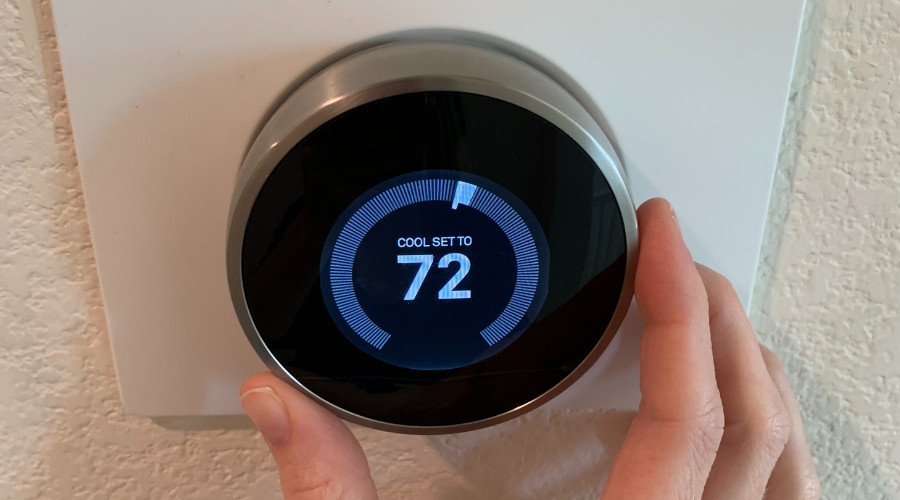
Heating and cooling account for a big share of most utility bills, so the device that controls that system plays an important role. A smart thermostat adds modern sensors, connectivity, and automation to an HVAC setup, going far beyond the basic controls offered by a manual thermostat or even a standard programmable thermostat. With the right model and professional thermostat installation, households gain better control over indoor temperatures, reduce wasted run time, and make day‑to‑day comfort easier to manage. This post breaks down what smart thermostats do, the main benefits of upgrading, and key warning signs that a current thermostat may be holding the system back or causing inconsistent performance.

What Is a Smart Thermostat?

A manual thermostat relies entirely on someone adjusting the temperature setting by hand. A programmable thermostat adds simple schedules, but typically offers limited flexibility once those times and temperatures are locked in. A smart thermostat builds on both of those ideas with advanced features designed to respond to real‑world conditions.

Most models connect to Wi‑Fi and a smartphone app, allowing temperature adjustments from virtually anywhere. Many units track run times and indoor trends, giving clearer insight into how the HVAC system behaves. Some can integrate with other smart home devices or voice assistants, and several learn preferred temperature patterns over time to fine‑tune schedules automatically. The result is a control center that not only turns equipment on and off, but also helps the entire system work in a more intentional, data‑driven way.

Benefits of Smart Thermostat Installation

save money Smart thermostat installation offers more than just a sleek new screen on the wall. One of the biggest advantages is improved energy efficiency, because the system does not run as often when no one is home or when milder temperatures make full output unnecessary.

Remote access makes it easy to adjust settings while away, so there is less temptation to leave the system blasting all day. Custom schedules are simpler to set up and tweak, encouraging more consistent temperature setbacks at night or during work hours.

Many smart models also send filter reminders and maintenance alerts, which support better HVAC performance over the long term. Together, these features can lower monthly energy costs, reduce wear and tear on equipment, and maintain steadier comfort from season to season.

Signs to Replace a Thermostat

thermostatEven the best HVAC system struggles when the thermostat is outdated or malfunctioning. Common indicators that thermostat replacement should be considered include frequent temperature swings, short cycling, or rooms that never seem to reach the set point. A display that goes blank, delayed system responses after temperature changes, or a thermostat that must be adjusted constantly are other red flags.

Ignoring these issues can lead to higher utility bills, unnecessary repair visits, and strain on furnaces and air conditioners.

About Mid Florida A/C

Mid Florida A/C is a BBB-accredited, A+ rated heating and cooling company proudly serving the DeBary and surrounding communities with personalized heating and AC solutions. They offer extended warranties backed by decades of experience, and upfront pricing with honest recommendations. Call them today for heating services in DeBary, FL.

Distribution Links +

Protecting a Home From Furnace Overheating

What to Know About a Furnace Overheating

Furnaces are designed to run hot, but when temperatures inside the unit climb too high, serious problems can follow. An overheating furnace can damage components, waste energy, and even create safety hazards. This guide explains the main risks of furnace overheating, common warning signs to watch for, and practical steps such as routine maintenance that help prevent an overheating situation in the first place.

Risks of an Overheating Furnace

When a furnace operates above its intended temperature range, internal parts are exposed to excessive stress. Heat exchangers, wiring, blower motors, and safety switches can all suffer damage. Repeated overheating episodes often lead to costly furnace repair bills and can shorten equipment life enough to force early furnace replacement.

Safety risks are just as important. Very high temperatures raise the chance of a fire, especially if combustible items are stored too close to the cabinet. Insulation and wiring can overheat, creating conditions that increase the likelihood of ignition. For this reason, it is essential to clear space around the furnace.

An overheating furnace may also increase the risk of carbon monoxide problems. If the heat exchanger becomes cracked or warped, combustion gases can mix with indoor air. Prolonged exposure to carbon monoxide can lead to carbon monoxide poisoning, which is why persistent overheating and repeated limit trips should never be ignored. A professional inspection is the safest way to determine whether the furnace is operating within safe limits.

Signs of an Overheating Furnace

bad mell Furnace overheating usually produces noticeable clues before a complete failure occurs. One of the first is a persistent burning smell while the system runs. A brief odor at the start of heating season can be normal as dust burns off, but a strong, ongoing smell may indicate that insulation or components are getting too hot.

Unusual noises are another warning. A louder humming sound from the blower, metallic pinging, or banging noises during operation can signal strain caused by restricted airflow or damaged parts. These issues often appear alongside changes in how the furnace cycles.

Short cycling is a classic symptom of furnace overheating. Instead of running steady cycles until the thermostat setting is reached, the unit may start, run briefly, then shut down unexpectedly. High‑temperature limit switches commonly cause this pattern to protect the equipment from further damage. If the furnace does not complete full cycles and comfort in the home suffers, an overheating issue should be suspected.

Ways to Prevent a Furnace From Overheating

filter Preventing furnace overheating begins with proper airflow. A clogged furnace filter forces the blower to work harder and can trap heat around the heat exchanger. Regular furnace filter replacement, typically every 1 to 3 months depending on filter type and conditions, helps keep air moving freely. Using a correctly rated furnace filter instead of one that is overly restrictive is just as important.

Routine furnace maintenance is the other key defense. During a maintenance visit, a technician can:

  • Clean burners and the blower assembly
  • Check electrical connections and safety controls
  • Inspect the heat exchanger for cracks or hot spots
  • Verify that airflow and temperature rise fall within safe ranges

These steps reduce the likelihood of an overheat event and improve efficiency at the same time. Keeping the area around the furnace clear of boxes, fabrics, and other storage items also lowers fire risk and allows for better ventilation. With consistent furnace maintenance and simple habits like timely filter changes, most systems can deliver steady comfort without drifting into dangerous temperature ranges.

About Mid Florida A/C

Mid Florida A/C is a top-rated heating and cooling company providing personalized solutions and total home comfort in DeBary and the surrounding communities. They offer extended warranties and financing options, and are committed to providing their customers with peace of mind. Call them now for furnace maintenance and repair in DeBary, FL.

The Benefits of Heat Pump Installation and Repair

Heat Pumps Explained

Wondering why a heat pump belongs on the short list for a comfort upgrade? A modern heat pump system delivers heating and cooling from a single platform, often with lower day-to-day operating demands than older equipment. This overview explains what a heat pump is, outlines the benefits of both ducted heat pump and ductless heat pump options (including the mini-split heat pump format), and highlights common signs that heat pump repair or a new heat pump installation may be the right next step.

What Is a Heat Pump?

A heat pump is an all‑in‑one HVAC appliance that moves heat instead of generating it through combustion. In heating mode, the system extracts available heat from outdoor air and transfers that energy indoors; in cooling mode, the process reverses, carrying indoor heat outside much like a traditional air conditioner. Because one unit handles both seasons, a single heat pump installation can simplify comfort planning and equipment maintenance.

Configurations are suitable for a variety of homes and spaces. A ducted heat pump connects to existing supply and return ductwork to condition the whole house, making it a natural replacement for many central systems. A ductless heat pump (mini split heat pump) uses compact air handlers mounted in the rooms they serve, offering zoned comfort without installing or modifying ducts. Both formats rely on the same core technology—refrigerant moving through an indoor and outdoor coil—but differ in how conditioned air reaches living areas. With thoughtful system design, a heat pump system can support balanced temperatures, quieter operation, and better control across zones.

Benefits of Installing a Heat Pump

save money A well‑planned heat pump installation can simplify comfort and streamline energy use across the year. Because a heat pump transfers existing heat rather than creating it, daily operation can be more measured than systems designed around resistance heat or fuel combustion. In practice, that often translates to steadier temperatures, fewer swings, and less frequent cycling—attributes that support comfort as seasons change.

Versatility is a major draw. One outdoor unit and matched indoor components manage both summer cooling and winter heating, reducing the need to purchase and maintain separate systems. Where ducts exist and are in good condition, a ducted heat pump can deliver whole‑home comfort with familiar supply registers. In homes without ducts—or additions, such as sunrooms, finished basements, and workshops—a ductless heat pump or mini-split heat pump targets specific zones with independent controls. Zoned operation can help curb conditioning in rarely used rooms, thereby matching output to actual demand.

Additional advantages include refined humidity control in cooling mode, whisper-quiet indoor operation from many modern air handlers, and installation flexibility that accommodates both retrofits and new construction. In colder regions, many systems are paired with supplemental heat or a dual-fuel setup to balance comfort and economy across extreme weather conditions. Regardless of the configuration, a quality heat pump system, designed and installed by a knowledgeable contractor, helps align comfort, efficiency, and long-term reliability.

Signs Heat Pump Repair Is Needed

heat pump Like any mechanical system, a heat pump occasionally signals trouble before a full outage. Unusual sounds—squealing, grinding, rattling, or loud buzzing—often point to worn bearings, loose hardware, or a failing motor that merits prompt heat pump repair. Short cycling (frequent on‑off operation), tripped breakers, or system lockouts can indicate sensor issues, airflow restrictions, or control faults. Ice accumulation that persists beyond normal defrost cycles suggests low airflow, low refrigerant, or outdoor coil problems that should be checked by a professional.

Performance symptoms matter as much as noises. Weak airflow from registers or indoor heads may trace to a clogged filter, obstructed coil, blower issues, or duct problems in a ducted heat pump. Temperature inconsistencies across rooms can signal a refrigerant charge issue, a malfunctioning reversing valve, or misconfigured zone settings—especially in a mini split heat pump installation where multiple indoor units must coordinate. Rising electric bills without a weather‑related explanation can likewise indicate declining system efficiency and the need for inspection.

Mode errors are another clue. A heat pump stuck in cooling or heating mode typically points to a control board fault or a reversing valve that isn’t shifting correctly. Outdoor fan problems, visible oil staining around service ports, or frost on linesets also warrant attention. Addressing these signs early with targeted heat pump repair helps protect compressors and motors, restores efficient operation, and minimizes the risk of a no‑heat or no‑cool emergency.

About Mid Florida A/C

Mid Florida A/C is a 5-star-rated family-owned and operated HVAC company proudly serving DeBary, FL, and the neighboring areas. They provide prompt arrivals and friendly professionalism, so call them today to schedule heat pump services in DeBary, FL.

Distribution Links +

Air Conditioning Basics

Important Air Conditioning Basics to Know

Air Conditioning Basics is a go‑to guide for smart, energy‑efficient cooling solutions. When rising energy bills and sweltering rooms become routine, these tips offer actionable ways to turn a house into a refreshing haven, assisting in the choice between AC systems, and offering expert guidance on the need for repairs and maintenance. 

Common Types of Air Conditioning Systems

acA central AC system remains the most common whole‑home solution in the U.S., using ductwork to distribute cooled air from a single outdoor unit to every room. A central air conditioner is often a strong fit for larger homes with existing ducts and integrates well with many heating setups. Central systems also centralize control at one thermostat for consistent, whole‑home management.

By contrast, a ductless mini split system is gaining momentum for zoned comfort and installation flexibility. A ductless mini split connects one outdoor unit to one or more indoor air handlers via a small conduit—no full‑home ducting required. Targeted room-by-room control can lower operating costs compared to some ducted configurations because a ductless mini-split air conditioner avoids energy losses associated with leaky or uninsulated ducts. In older homes without ductwork, additions, or areas where ducts are impractical, a ductless mini split often offers an efficient, minimally invasive alternative.

Ultimately, the best fit depends on floor plan, existing infrastructure, and budget. While upfront investment varies, long-term operating costs frequently favor right-sized, well-maintained equipment—regardless of whether cooling is delivered by a central air conditioning system or a ductless mini-split system.

Signs an AC Unit Needs Repair

Cooling equipment often signals the need for AC repair before a full breakdown occurs. Unusual noises—such as grinding, squealing, or banging—indicate mechanical wear that warrants prompt air conditioner repair. Uneven temperatures, weak airflow, or failure to reach the setpoint can indicate refrigerant issues, failing compressors, or thermostat problems that require diagnosis.

Rising energy bills without increased usage often indicate declining efficiency. Common culprits include worn components, missed air conditioner maintenance, or restricted airflow from a clogged filter—making routine air filter replacement essential. Short cycling (frequent on/off operation), musty or electrical odors, and warm air from vents during a cooling call are additional red flags. Moisture or ice around the indoor unit, excessive condensate, or frost on refrigerant lines should be addressed promptly with professional AC repair to prevent more severe failures.

The Importance of Maintenance

filter Regular AC maintenance functions like an annual checkup for the entire cooling system. Industry data indicates that timely air conditioner maintenance can reduce energy consumption and extend equipment life. Typical professional service includes checking refrigerant levels and pressures, cleaning condenser and evaporator coils, inspecting electrical connections, testing safety controls, verifying thermostat calibration, and examining ductwork for leaks. A comprehensive tune-up helps stabilize capacity and keeps a central air conditioner or ductless mini-split operating closer to peak performance throughout the season.

Between professional visits, a few simple tasks have an outsized impact. Air filter replacement (typically every 1–3 months, depending on dust levels, occupancy, and the presence of pets) maintains airflow, protects coils, and supports optimal indoor air quality. Skipping air filter replacement forces the system to work harder, resulting in increased energy use and accelerated wear. Consistent AC maintenance, paired with timely air conditioner repair when symptoms arise, reduces emergency calls, improves comfort, and helps either a central AC system or a ductless mini-split air conditioner deliver efficient, reliable cooling all summer long.

About Mid Florida A/C

Mid Florida A/C is a family-owned and operated AC and heating company serving the communities of DeBary and neighboring areas. They’ve held an A+ rating with BBB for over 37 years and provide friendly professionalism and extended warranties. Call today for expert AC services throughout DeBary, FL.

Distribution Links +

Simple Tips to Save On Cooling Costs This Summer

Save Money While Staying Comfortable

Homeowners do not have to choose between comfort and affordability during the summer months. By practicing a few proven energy-saving habits and making minor upgrades, it is possible to significantly lower air conditioning costs while maintaining a cool and relaxing indoor atmosphere. From AC maintenance and air filter replacement to effective ceiling fan use and smart thermostat installation, these steps will yield significant energy savings and provide comfortable spaces.

AC Maintenance and Replacing Air Filters

Routine AC maintenance and proper air filter replacement are two of the most effective tools homeowners have to keep their air conditioning system running efficiently and affordably throughout the summer.

Regular air filter replacement ensures an AC system can “breathe” easily. When an air filter or AC filter becomes clogged with dust, dirt, and debris, the air conditioner must work much harder to circulate cool air. This extra strain results in higher energy usage and can reduce the lifespan of the system’s key components.

Clean filters improve air quality by trapping allergens, pollen, and dust. They also help maintain good airflow, which means rooms cool faster, with less energy.

Homeowners should check filters every one to three months and perform AC filter replacement or air filter replacement as needed, especially if they have pets, allergies, or frequently engage in home activities.

Moreover, scheduling professional air conditioner maintenance once a year ensures the entire air conditioning system is clean, safe, and running at peak efficiency. During the AC maintenance, a technician will inspect refrigerant levels, tighten electrical connections, clean indoor and outdoor coils, check drain pans, and identify any worn parts before they fail.

Preventative AC maintenance often leads to lower repair bills, fewer unexpected breakdowns, and lower cooling costs, as an efficient system requires less energy to achieve the same level of comfort.

Staying on top of filter changes and regular service will reduce utility bills, extend equipment life, and deliver more reliable home comfort through the summer heat.

Utilize Ceiling Fans

fan Combining ceiling fan use with air conditioning is a simple way to feel cooler without turning the thermostat down lower. Ceiling fans create a wind-chill effect, helping room occupants feel several degrees cooler even when the actual temperature is higher.

When ceiling fans are run counterclockwise in the summer, they circulate cool air throughout the room, eliminating hot spots and allowing the thermostat to be set higher without sacrificing comfort.

Using the ceiling fan allows homeowners to set the thermostat up to 4 degrees higher, which can result in noticeable savings on monthly cooling costs. That said, fans should only run when the room is occupied. Turn them off when leaving the space to avoid unnecessary electricity use.

For optimal energy efficiency, ensure that ceiling fans are dusted and their blades are angled properly. Pairing the air conditioner with ceiling fans is a highly effective way to optimize comfort and savings with minimal investment.

Install a Smart Thermostat

thermostatOne of the most effective ways to lower cooling costs is with professional smart thermostat installation. A smart thermostat learns a household's preferences and routines, automatically adjusting temperatures when occupants are home, away, or asleep.

Homeowners can create schedules or remotely control their thermostat from a smartphone, so the AC never runs unnecessarily when the house is empty. Many smart thermostats also offer energy reports, helping users identify opportunities for further savings and track their energy usage.

Moreover, studies have shown that installing a smart thermostat can save homeowners up to 10%–15% on their energy bills by reducing waste. Upgrading from a manual thermostat makes it easier to avoid overcooling, wasted energy, and unexpected spikes in utility bills.

A professional thermostat installation can quickly pay for itself with reduced cooling costs and effortless climate control.

About Mid Florida A/C

Mid Florida A/C opened its doors in 1980 to provide the community with better HVAC service. As a family-owned and operated business, they offer upfront pricing, extended warranties, and honest, accurate recommendations. Call now for top-notch AC services in DeBary, FL.

Distribution Links +

Important Air Conditioner Replacement Basics for Homeowners to Know

A Guide to Air Conditioning Replacement

Households don’t have to wait until their air conditioners break down and the home loses cooling in the hottest months of the year to get air conditioning replacement. Warning signs indicating AC replacement is needed can signal to homeowners to call professionals, allowing replacement to be done before people are stuck in a hot and uncomfortable home. 

This post will discuss some important things for homeowners to know about air conditioner replacement, including signs that it’s needed, the advantages of replacing an old AC unit, and choosing a new air conditioning system to install by discussing the differences between a ductless mini-split system and a central AC system. 

Signs Air Conditioner Replacement Is Needed

When homeowners are able to recognize the signs that indicate an air conditioner replacement is needed and call a technician to inspect and replace it if needed, it can help avoid uncomfortable summer days and unexpected breakdowns. Several clear indicators suggest the AC unit has reached the end of its useful life and needs replacing.

The age of an air conditioning system serves as the most telling factor. Units older than 10 years old operate at reduced efficiency and can start to slow down. Most air conditioners last 10 to 20 years, so if it’s older than 10 years and has any issues, it likely needs to be replaced. Because air conditioners lose efficiency as they age, high energy bills could also indicate that AC replacement is needed.

Furthermore, if homeowners need to schedule AC repair visits with increasing frequency, it's time to consider replacement. Paying to repair older air conditioners may not be worth the investment, making replacement the more cost-effective choice. Additionally, any problems cooling the home, such as inconsistent cooling, warm air coming from vents instead of cool air, hot spots throughout the home, and more, are warning signs of problems that may require air conditioning repair or replacement.

Advantages of Replacing an Old Air Conditioner 

save money Replacing an old AC unit and investing in a new air conditioner installation can deliver several benefits. Modern AC units can operate at significantly higher efficiency ratings than older ones manufactured even just 10 years ago. Additionally, air conditioners become less efficient as they age. Therefore, replacing an old air conditioner with a new, energy-efficient one can enhance energy efficiency and lower monthly energy bills, ultimately saving homeowners money.

Installing a new cooling system can also help enhance indoor comfort, especially when the older air conditioner was experiencing problems affecting its cooling performance. This can provide consistent temperature control throughout the home, eliminating hot and cold spots or cooling problems that are more common with aging systems. Another advantage of replacing an outdated air conditioner is eliminating the cycle of costly repairs. New AC systems will operate more reliably and have a lower risk of experiencing issues that require air conditioner repair, helping avoid discomfort and saving on repair costs. 

The improved technology of modern air conditioners can also provide superior air filtration capabilities, removing more airborne particles and allergens from inside the home. This indoor air quality enhancement is particularly valuable for households with individuals who suffer from allergies or respiratory conditions. Additionally, AC replacement presents the perfect opportunity to resize the unit if the existing AC unit was incorrectly sized for the home, which is an issue that can lead to performance problems, inefficiency, and premature system failure.

Choosing a Type of AC System for the Home

acWhen planning an air conditioner installation or replacement, one of the most important decisions to make is selecting between a ductless mini-split AC system and a central air system. Each cooling solution offers distinct advantages, so it’s important for homeowners to know their differences to help them select the best option for their home and needs.

Central air conditioning systems remain a popular choice for many homeowners due to their lower initial installation costs. These whole-house cooling systems utilize ductwork to distribute cool air evenly throughout the home, ensuring the entire house maintains a consistent temperature. However, these systems are less efficient than ductless mini-splits due to energy losses in the ducts, resulting in higher cooling costs.

On the other hand, a ductless mini-split air conditioner is more energy-efficient since it doesn't use ductwork, thereby avoiding the energy losses associated with air ducts in central forced-air systems. So, although they have a higher initial cost, they can provide lower monthly energy bills. Additionally, when a ductless mini split system has multiple indoor units, it allows for zone-specific cooling capabilities. Many homeowners find that the flexibility of cooling rooms and zones to different temperatures with mini-splits provides both comfort improvements and energy savings, as unoccupied rooms don’t have to be set to the same temperature as the rest of the home. 

About Mid Florida A/C

Mid Florida A/C has been serving the DeBary community since 1980. They provide personalized solutions, extended warranties, and prompt arrival. Call them for air conditioner replacement and installation services in DeBary, FL.

Distribution Links +

Signs of a Refrigerant Leak in DeBary, FL

How to Tell if the AC Is Leaking Refrigerant and Needs Repair

Refrigerant is essential for absorbing and releasing heat, and a shortage due to a leak can lead to inadequate cooling and increased energy consumption. Detecting a refrigerant leak early is crucial to preventing further damage and ensuring the system operates at peak performance. 

Frozen Evaporator Coils

The evaporator coils are critical components responsible for absorbing heat from indoor air, allowing the air conditioner to cool effectively. Frozen evaporator coils are a common and troubling sign that something is wrong with an air conditioning system.

When these coils freeze, it signals a disruption in the balance of the cooling process, which is often rooted in inadequate refrigerant levels. The presence of frozen evaporator coils not only hinders the air conditioner’s ability to cool efficiently but also increases energy consumption as the system struggles to maintain the desired indoor temperature. 

Addressing a refrigerant leak promptly can prevent frozen coils. Professional help is needed to repair the leak, recharge the refrigerant to the appropriate level, and defrost the coils, restoring efficient cooling performance and preventing further damage.

The AC Is Not Cooling Properly

bills The efficient operation of air conditioners relies heavily on the refrigerant to absorb and dissipate heat. When the system's refrigerant levels are compromised, the cooling process is directly affected, leading to several noticeable issues. 

One primary symptom of a refrigerant leak is warmer air blowing from the vents. With reduced refrigerant levels, the system cannot absorb enough heat from the indoor air, resulting in higher temperatures circulating back into the home. This inefficiency not only leads to discomfort but forces the air conditioner to run longer cycles to maintain the thermostat's set temperature. 

These extended cooling cycles wear out the system's components as it struggles to deliver the desired comfort. Consequently, the inefficiency caused by a refrigerant leak increases energy consumption, causing energy bills to rise significantly without delivering proportional cooling. 

Professional HVAC technicians can identify and seal leaks, recharge the system with the correct amount of refrigerant, and ensure that the AC unit operates optimally. This intervention improves cooling performance and helps maintain manageable energy costs, ensuring a consistently comfortable indoor climate.

Unusual Sounds

sounds Unusual sounds from an air conditioning system, such as hissing, gurgling, or bubbling, often indicate a refrigerant leak. A hissing noise occurs when refrigerant escapes, similar to air leaking from a punctured tire, and usually points to a crack in the refrigerant lines.

As refrigerant levels drop, air can enter the lines, causing gurgling or bubbling sounds. These noises disrupt the refrigerant's smooth flow and indicate abnormal pressure in the system. 

Such sounds not only indicate reduced cooling efficiency but also suggest deeper issues. Ignoring these signs can lead to decreased performance, increased compressor strain, and higher energy costs. Early detection and professional repair of refrigerant leaks are crucial for maintaining an efficient and quiet air conditioning system.

About Mid Florida A/C

Mid Florida A/C is one of the most trusted HVAC contractors in DeBary, FL. They have over 200 of your happy neighbors who have made us a 5-star rated company. Call them for reliable refrigerant leak repairs in DeBary, FL

Avoid Heating Problems: Schedule Heater Maintenance Now

There Are Many Reasons To Keep a Heater Maintained

In most homes, heaters are more than just a luxury. They are necessary to help maintain comfortable temperatures and protect pipes and other parts of the home from freezing temperatures. Heating maintenance helps prepare the system for the coldest days and nights. This proactive approach will improve energy efficiency and help catch a small issue before it becomes a total system breakdown. 

Annual Heater Maintenance Pays Off

save money Comparing the costs of expensive repairs to the cost of an annual heating system maintenance appointment makes the best choice very clear. There are some substantial benefits to investing in that annual maintenance. Here are a few of them: 

  • Optimize performance and efficiency
  • Prolong the overall lifespan of the system
  • Detect potential problems early on
  • Clean the system for efficiency
  • Ensure peace of mind from common hazards

When the numbers are compared, it is clear that investing in heater maintenance will save money in the long run. It improves efficiency and utility bill expenses and helps protect against unwanted disruptions and costly repair issues. 

A Peek at an Annual Heater Maintenance Routine

heater So, what happens when a professional enters the home to do heating maintenance? Every company is going to have its unique processes, but most companies cover all the same basics at a heating maintenance call. 

This is what to expect at a minimum: 

  • Inspection of the system and all components
  • Cleaning of critical parts and elements of the unit
  • Air filter replacement
  • Testing safety elements and sensors
  • Checking the thermostat and calibrating if necessary
  • Making minor repairs as noted

Heater maintenance often includes an air filter replacement, but homeowners should also practice proper furnace filter replacement outside heater maintenance. The industry recommendation is to change air filters every 1-3 months throughout the year. 

How Often Should Heating Maintenance Be Completed? 

Ideally, homeowners should schedule annual heating system maintenance. Those who want to be very proactive might consider bi-annual services—each for heating and cooling seasons. At a minimum, annual professional maintenance is recommended. This will keep up with minor tasks, ensure the system functions optimally, and prepare the unit to work well in the coldest months of the year. 

A proactive approach often helps reduce or prevent breakdowns so homes don’t have to be stuck without heat from a system failure. Don’t forget to change the air filters regularly throughout the year. Remember that 1-3 months is the recommended lifespan of air filters. For homes with pets or heavy dust, it is recommended to change them monthly. 

Cold weather is a normal part of winter, but heating issues don’t have to accompany the cold weather. Instead, schedule heating maintenance and keep the home comfortable all season long. 

About Mid Florida A/C

Mid Florida A/C is one of the highest-rated HVAC companies in the area. They care deeply about every customer and strive to always provide exceptional service, no matter your needs. Contact them today for heater maintenance service in DeBary, FL

Distribution Links +

Knowing These Overheating Furnace Signs Save Lives

Everything to Know to Spot an Overheating Furnace Early

A home furnace is great for staying comfortable in cold periods but can be dangerous in some situations. Overheating is one of the most common problems furnaces face. Learning the signs of an overheating furnace can prevent a dangerous situation from worsening and even save lives. 

There are multiple signs to look out for when a furnace is overheating, including things like:

  • The smell of something burning
  • Loud noises from the furnace
  • Lack of airflow coming from the furnace
  • Excess carbon monoxide in the home

One of the best ways to stay safe with a home furnace is to maintain it properly, which can be done with the help of an HVAC expert. A furnace should also be inspected regularly to spot any danger signs early. Let's look at all the warning signs of an overheating furnace and what needs to be done to prevent this from becoming an issue. If you experience any warning signs, a professional should be called immediately, no matter how small an issue seems. 

Carbon Monoxide Poisoning and Other Dangers From an Overheating Furnace

carbon monoxideA cracked heat exchanger is a common cause of an overheating furnace, which can also lead to a carbon monoxide leak in homes. Once there is a carbon monoxide leak, deadly results may occur, so spotting the early signs is essential. 

Signs you may have a carbon monoxide leak and cracked heat exchanger include:

  • Strange smell from inside the home
  • Carbon monoxide detector alarming 
  • Inconsistent heating
  • Headache, blurred vision, confusion, and vomiting
  • Cracked and damaged furnace

Carbon monoxide poisoning is one of the deadlier results of an overheating furnace. If not taken care of, severe damage to the unit may also occur, resulting in a costly repair. Furnace fires are another deadly situation caused by not taking an overheating furnace seriously.

If experiencing any warning signs from carbon monoxide poisoning or a faulty furnace, a call to an HVAC expert is warranted.

Save Money and Lives by Knowing the Warning Signs of an Overheating Furnace

Recognizing the signs of a furnace overheating is the best way to prevent problems from escalating. Not taking care of it as quickly as possible may lead to a more expensive repair. Worse, lives could be lost if the warning signs are ignored. 

Furnaces are great for warming homes, but if there is anything unusual, it can be a sign that an inspection is needed. Strange smells and sounds are often common signs of an overheating furnace, and physical damage to a unit is another sign. 

A constantly changing thermostat or a furnace that won't stay on is another warning sign that there may be an issue. No matter how small, an expert should be called if there are any odd changes or warning signs of a malfunctioning furnace.

Maintenance and Repairs to Stop a Furnace Overheating Scare

furnace maintenanceHome furnaces require regular maintenance and check-ups to prolong their lifespan. If neglected, the likelihood of a malfunction increases.

Some of the regular maintenance home furnaces require include:

  • Vent Cleaning
  • Air Filter Replacement
  • Flame Sensory Check
  • Blower Blade Cleaning 
  • Leak Check

While things like replacing an air filter may seem small, they are necessary for a reason. The types of maintenance required depend on whether a furnace is gas, oil, electric, or propane. It is recommended that home furnaces be checked at least once a year. Regular check-ups from HVAC technicians provide peace of mind and prevent a problem from snowballing into something worse. 

About Mid-Florida A/C

Mid-Florida A/C promises total comfort for your home and tackles even the toughest HVAC jobs. They are the most trusted HVAC contractors in the area and offers extended warranties for more savings. Contact Mid-Florida A/C for a personalized solution for furnace repairs and maintenance services in DeBary, FL.